




The road that runs between Abu Dhabi and Dubai is lined with desert scrub and the occasional burst of green. It is easy to miss AlJurf at first, a stretch of coastline where the dunes soften into mangroves and the sea glitters with startling clarity. Yet it is here, tucked between the two cities, that a curious idea is taking shape: an island where health is not an afterthought but the very foundation of daily life.
SHA Emirates Island is being described as the world’s first private island devoted entirely to wellness and longevity. The vision is bold. Instead of holidays that offer a fleeting taste of balance, the idea is to build a community where the rhythms of a healthy lifestyle are woven into the very fabric of living.
On the water’s edge, villas are being planned with wide terraces shaded by palm fronds, their walls of stone and wood echoing the natural landscape. The interiors are designed to breathe. Air purification systems clear the desert dust, and lighting shifts with the cycle of day and night, coaxing the body into more natural patterns of rest. It is, at least in ambition, less about luxury in the traditional sense and more about creating spaces that support life in its purest form.

The island itself is a canvas for this philosophy. A movement pavilion sits at its heart, open to sea breezes, where yoga mats might roll out at dawn and strength classes follow under the sharp midday sun. Nearby, a hydrotherapy circuit will run with cool, mineral-rich water designed to invigorate muscles after long swims in the Gulf. At the Mind & Body Pavilion, silence is encouraged. The rooms are built for reflection, with filtered light and the soft scent of cedar in the air.
Food, too, becomes part of the design. A nutrition pavilion will offer meals drawn from organic farms, dishes that arrive at the table fragrant with herbs and still warm from the soil they grew in. This is dining not for indulgence but for nourishment, where taste and health meet in dishes that reflect the seasons rather than a menu dictated by convenience.

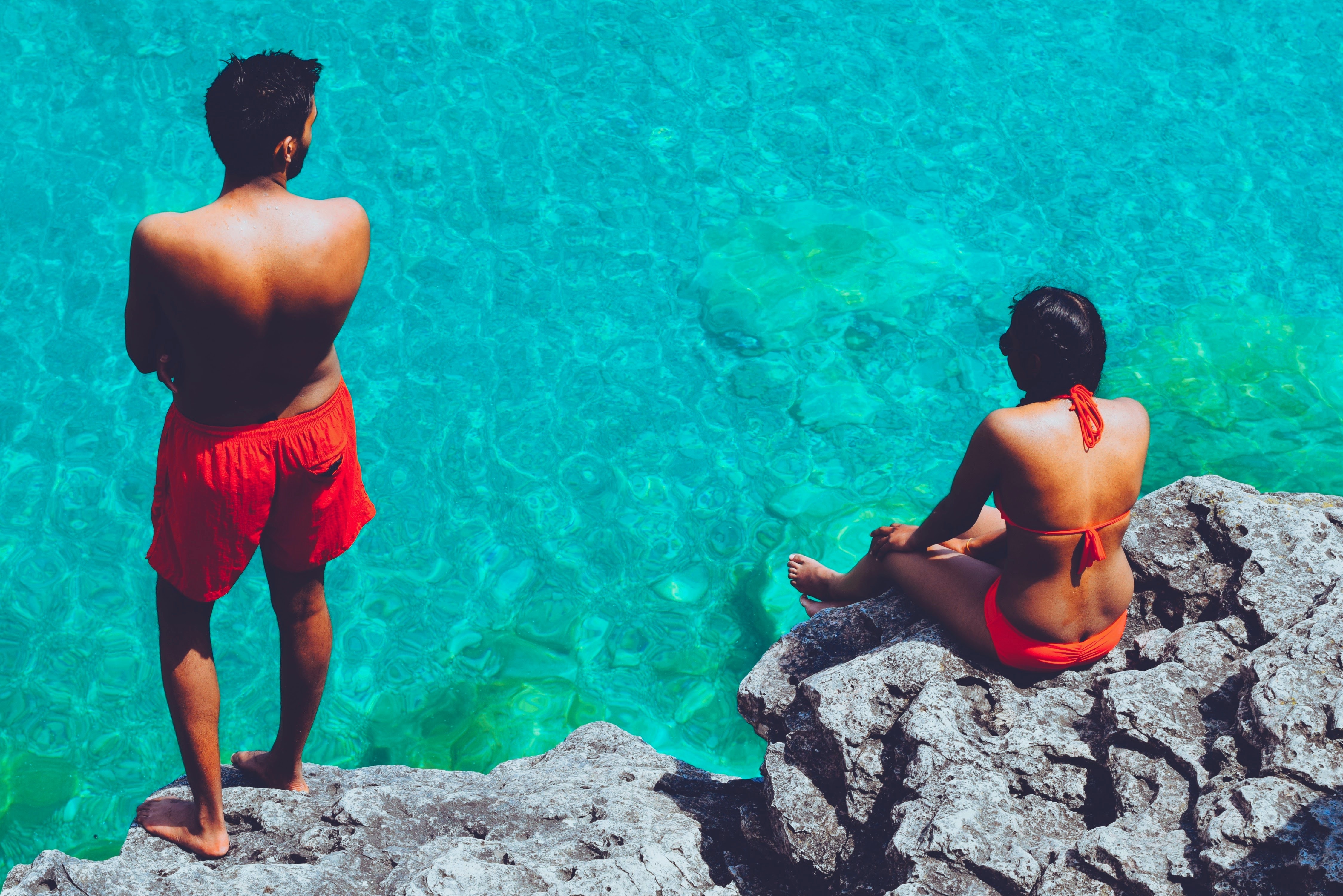
AlJurf itself feels like a place apart. The water is shallower here than in other parts of the Gulf, shifting between shades of turquoise and deep cobalt. The mangroves hum with birdlife, their roots rising like knotted sculptures from the shallows. At night, when the desert air cools, the stars settle over the island in fierce clusters, visible in ways the city rarely allows.
For SHA, this is not new ground. Its properties in Spain and Mexico have already built reputations as sanctuaries where cutting-edge medicine sits alongside ancient therapies. What sets the Emirates island apart is permanence. Guests no longer come and go but stay, building lives within an environment designed to sustain them. The concept carries a kind of quiet radicalism: that longevity can be built into bricks and mortar, and that the design of a home can extend not only comfort but also years.

Connections to the wider world remain close. The airports of Dubai and Abu Dhabi are less than an hour away. Soon, a high-speed train will slice through the desert, linking the island with the two cities in a matter of minutes. Yet despite this proximity, the place feels deliberately removed, a retreat without the sense of isolation that often accompanies it.
There is grandeur here too, as is almost inevitable in the Emirates. Shoreline villas spill directly onto the sand, with swimming pools reflecting the curve of the Gulf. Apartments rise with views of the water that stretch far beyond the horizon. But beneath this display runs an unusual current: health itself is treated as the rarest of luxuries.

The first residents are expected to arrive in 2027, trading the tempo of city life for something quieter, steadier, perhaps longer-lasting. Whether SHA Emirates Island succeeds in rewriting the rules of modern living remains to be seen. What is clear, standing on the sand at AlJurf and listening to the hiss of the sea against the rocks, is that the idea has power. It is not about escape but about reimagining how and where we live, with wellness no longer a destination but the ground beneath our feet.


