


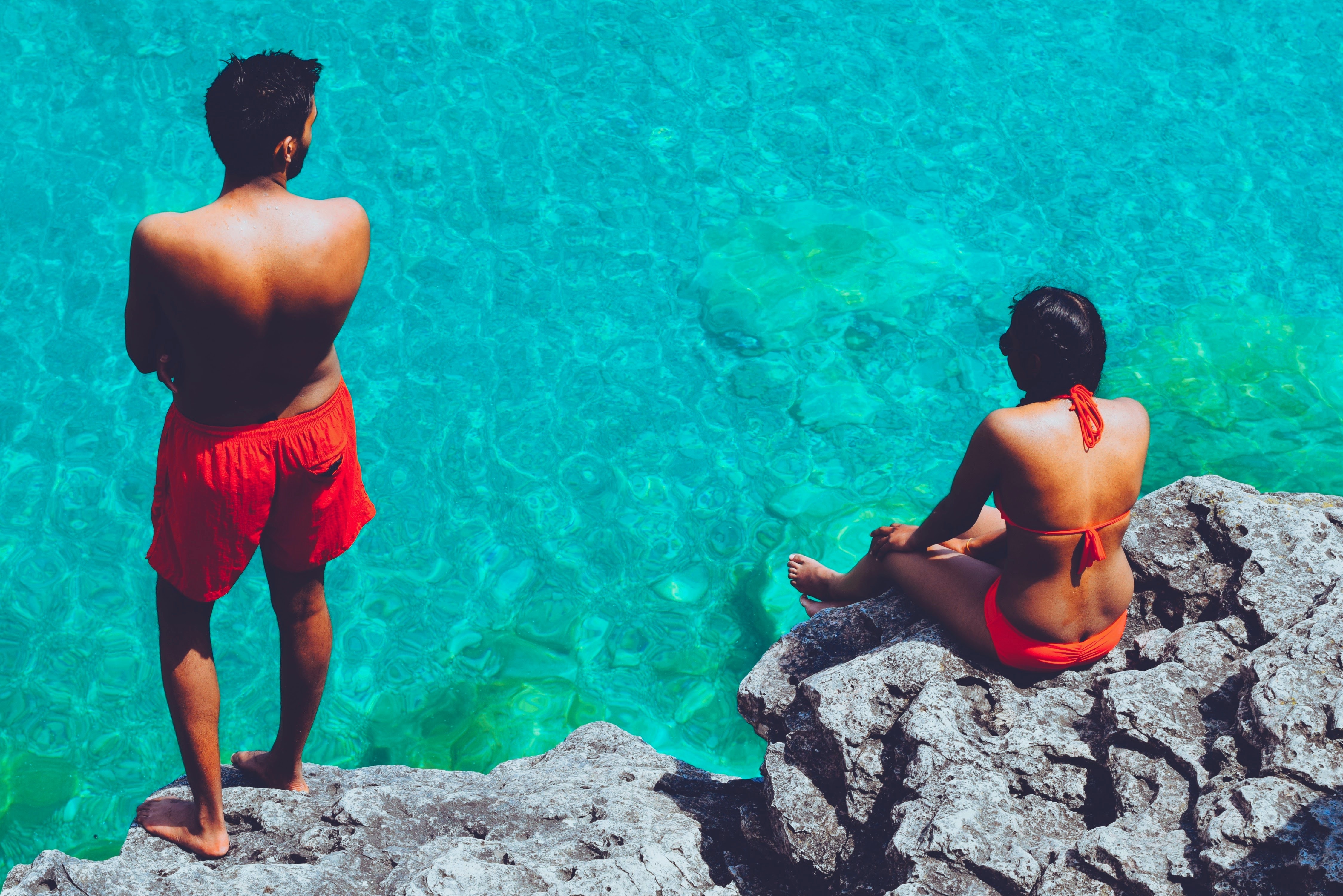


There’s a moment, somewhere between the scent of pine, the shimmer of limestone, and the quiet pull of tide, when the Croatian Adriatic begins to feel less like a destination and more like a perspective. Not louder, not faster, but cleaner, calmer, and perhaps most importantly, more thoughtful.
Along this stretch of Europe’s sun-drenched coastline, holidays come with a side of intention. Welcome to the Adriatic reimagined, where secret coves, electric boat races, and cave cathedrals coalesce into a kind of barefoot manifesto. One that doesn’t shout sustainability, but gently insists on it.
Take the Poreč Riviera, where the award-winning SeaStar Hero initiative has turned environmental care into a kind of joyful quest. Armed with snorkels, biodegradable bags, and the kind of optimism usually reserved for fairy tales, travellers are invited to become marine stewards. There’s no lecture, no finger-wagging, just a light-hearted mission beneath the surface. A sunken can becomes treasure. A clear patch of seabed, a badge of honour. And in return? Prizes, local perks, and stories to take home that outlast any tan.
It’s this blend of whimsy and purpose that Croatia seems to excel at. Across its 100-plus Blue Flag beaches, from the pine-framed elegance of Girandella in Rabac to the chameleon-like Zlatni Rat on Brač which changes shape with the tide, the invitation is consistent: come for the beauty, stay for the standards. Even Bačvice in Split, where locals play picigin barefoot in the shallows, wears its certification with pride. It proves that nostalgia and innovation can share the same shoreline.

For the curious and the salt-hearted, the Adriatic’s treasures lie not only on land but in the depths below. Beneath the calm, azure waters rests a different kind of history, Roman amphorae, World War II wrecks, and limestone caves that feel like sanctuaries. The karst cathedral off Premuda is a case in point. To descend into its 12-metre-deep chambers is to enter another dimension. One of light shafts, echoing arches, and meditative stillness. It’s less of a dive, more of a dialogue with silence.
On the surface, Croatia’s green credentials are equally convincing. The Green Sail Marina Partner Program is quietly changing the rules of the sea. Marina staff now offer recycling tips as readily as mooring lines, and renewable energy is no longer the exception. It is a place where nautical culture meets climate conscience, and where that convergence feels natural, not performative.
Even island hopping comes with a cleaner footprint. From Fratarski Otok Eco Beach in Veruda to the salt-and-silk quiet of Saplunara Lagoon, Croatia’s islands are shedding excess in favour of essence. At Lojena Cove in the Kornati archipelago, the luxury is not marble tubs or cabana service. It is solitude, light, and sea so clean it shimmers like glass. Vinogradišće in Palmižana, meanwhile, pairs sea-to-table dining with exotic gardens and quiet anchorage, proving that indulgence and integrity can indeed coexist.
This isn’t eco-tourism in the rustic, compost-toilet sense. It is travel with polish, poise, and a perspective that stretches far beyond the horizon. Because here, the cleanest sea in Europe isn’t just a tagline. It is a promise.
And like the best promises, it’s one worth keeping.


